Best private boys schools in Victoria
19 schools assessed independently — no paid rankings.
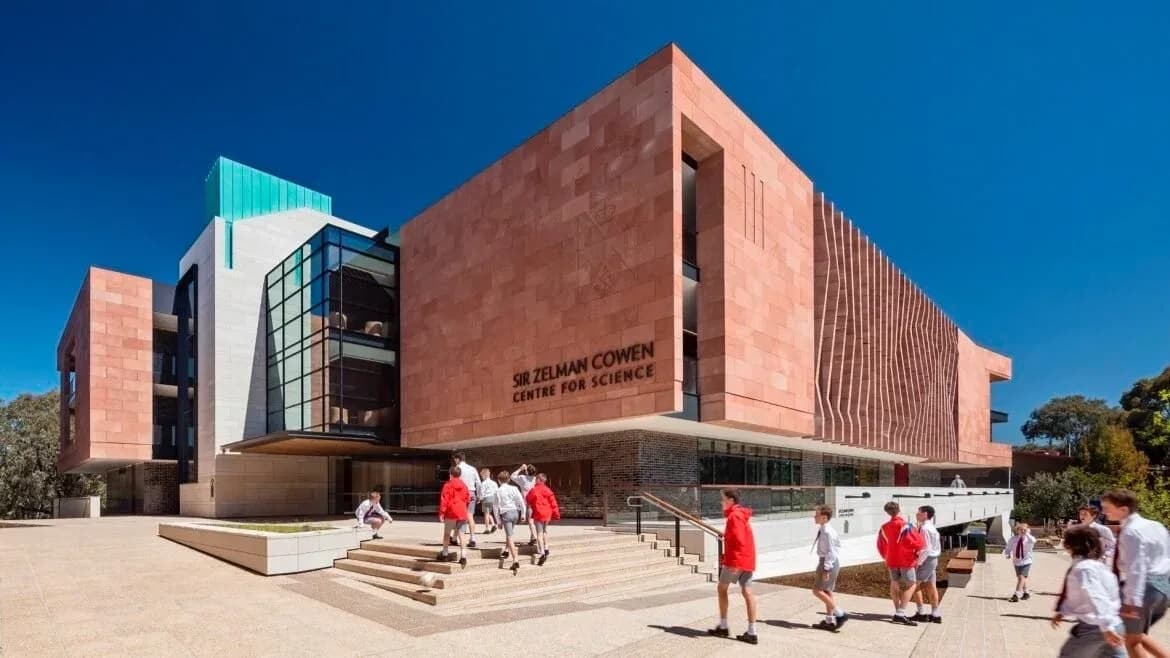
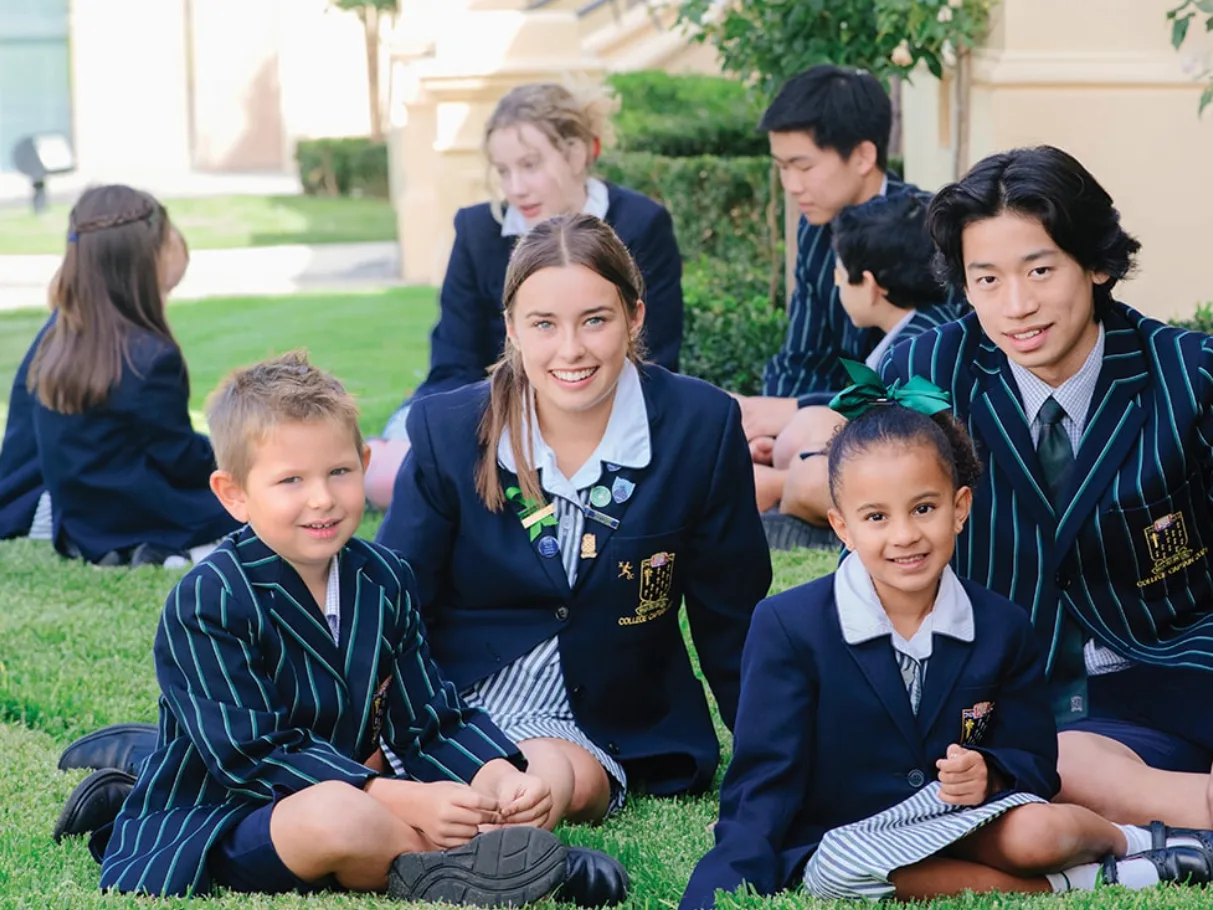
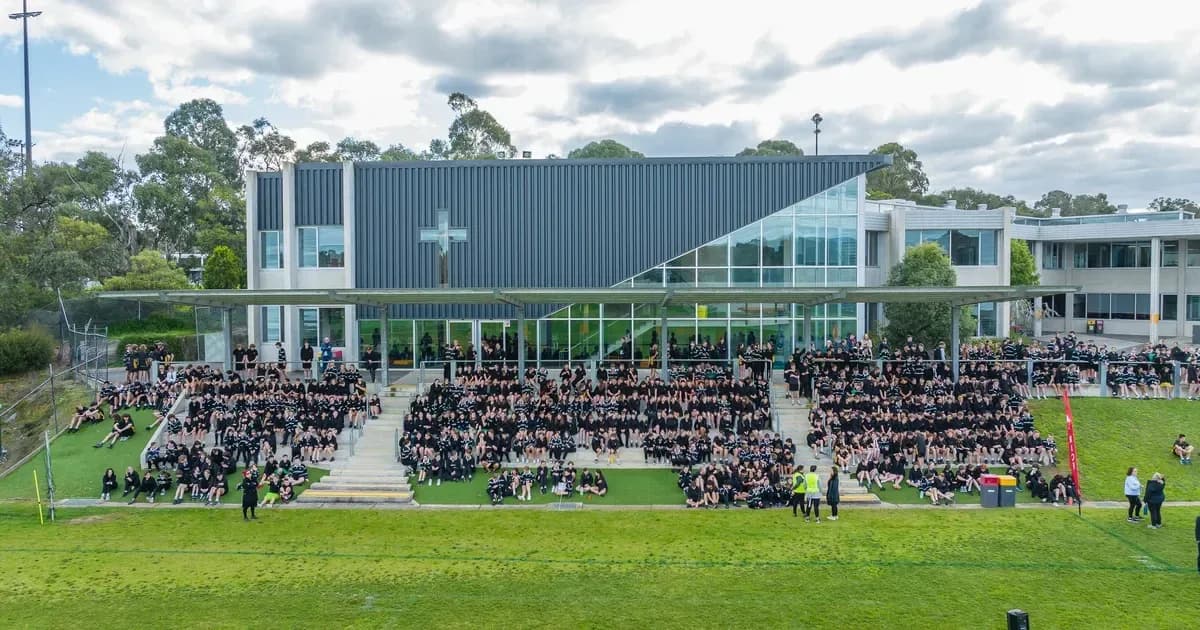
Image: Scotch College
Choosing a school is one of the biggest decisions an Australian family makes, and the private sector alone runs to hundreds of schools that differ enormously in size, character, governance and strength — from small regional colleges to century-old metropolitan institutions, each with its own account of what makes it the right choice. A prospectus or an open day rarely settles how one school actually compares with another on the things that matter most to a family.
Schools360 scores every one of them against five questions that matter to a parent choosing a school. How well does the school perform academically? How well will the school look after my child's wellbeing and individual needs? Does the school offer extensive learning opportunities for my child? Does the school offer a great environment for my child to realise their full potential? How well is the school run? The combined result places each school in one of five tiers: Elite, Distinguished, Leading, Trusted, Highly Capable. Every tier name describes a genuine strength; Schools360 publishes no failing grade.
That assessment is independent and built entirely from public information — government data, academic results, school websites, strategic plans, annual reports, teacher reviews, alumni pathways and media reporting — never a form a school fills in about itself. Any content a school does supply directly is always shown separately on its profile and clearly labelled as the school's own words, not part of the assessment.
Single-sex education remains a significant and long-established part of Australian private schooling: many of the country's oldest schools were founded as, and remain, single-sex. Parents choosing a single-sex school often point to a learning environment built consistently around one gender's needs, from teaching approach to the shape of the co-curricular program, as the appeal, alongside the strong alumni and community networks these schools tend to carry.
This page assessed 19 private boys schools in Victoria. The top 10 are ranked below; the rest are also assessed and listed beneath, without an individual rank. Read the full methodology.
Top 10
Select schools to compare them side by side.
| Rank | School | Suburb | Gender | Affiliation | S360 score | Compare |
|---|---|---|---|---|---|---|
| 1 |  Scotch College Scotch College | Hawthorn | Boys | Non-denominational | 93.0% | |
| 2 |  Melbourne Grammar School Melbourne Grammar School | Melbourne | Boys | Anglican | 92.9% | |
| 3 |  Camberwell Grammar School Camberwell Grammar School | Canterbury | Boys | No religious affiliation | 90.9% | |
| 4 |  Brighton Grammar School Brighton Grammar School | Brighton | Boys | Anglican | 90.4% | |
| 5 |  Xavier College Xavier College | Kew | Boys | Catholic | 87.8% | |
| 6 |  Trinity Grammar School Trinity Grammar School | Kew | Boys | Anglican | 87.5% | |
| 7 |  St Patrick's College St Patrick's College | Ballarat | Boys | Catholic | 79.0% | |
| 8 |  St Kevin's College St Kevin's College | Toorak | Boys | Catholic | 77.8% | |
| 9 |  Mazenod College Mazenod College | Mulgrave | Boys | Catholic | 74.8% | |
| 10 |  De La Salle College De La Salle College | Malvern | Boys | Catholic | 71.4% |
- Best private boys schools in Victoria
- Rank
- 1
- School
- Scotch College
- Suburb
- Hawthorn
- Gender
- Boys
- Affiliation
- Non-denominational
- S360 score
- 93.0%
- Compare
- Rank
- 2
- School
- Melbourne Grammar School
- Suburb
- Melbourne
- Gender
- Boys
- Affiliation
- Anglican
- S360 score
- 92.9%
- Compare
- Rank
- 3
- Suburb
- Canterbury
- Gender
- Boys
- Affiliation
- No religious affiliation
- S360 score
- 90.9%
- Compare
- Rank
- 4
- School
- Brighton Grammar School
- Suburb
- Brighton
- Gender
- Boys
- Affiliation
- Anglican
- S360 score
- 90.4%
- Compare
- Rank
- 5
- School
- Xavier College
- Suburb
- Kew
- Gender
- Boys
- Affiliation
- Catholic
- S360 score
- 87.8%
- Compare
- Rank
- 6
- School
- Trinity Grammar School
- Suburb
- Kew
- Gender
- Boys
- Affiliation
- Anglican
- S360 score
- 87.5%
- Compare
- Rank
- 7
- School
- St Patrick's College
- Suburb
- Ballarat
- Gender
- Boys
- Affiliation
- Catholic
- S360 score
- 79.0%
- Compare
- Rank
- 8
- School
- St Kevin's College
- Suburb
- Toorak
- Gender
- Boys
- Affiliation
- Catholic
- S360 score
- 77.8%
- Compare
- Rank
- 9
- School
- Mazenod College
- Suburb
- Mulgrave
- Gender
- Boys
- Affiliation
- Catholic
- S360 score
- 74.8%
- Compare
- Rank
- 10
- School
- De La Salle College
- Suburb
- Malvern
- Gender
- Boys
- Affiliation
- Catholic
- S360 score
- 71.4%
- Compare
In detail
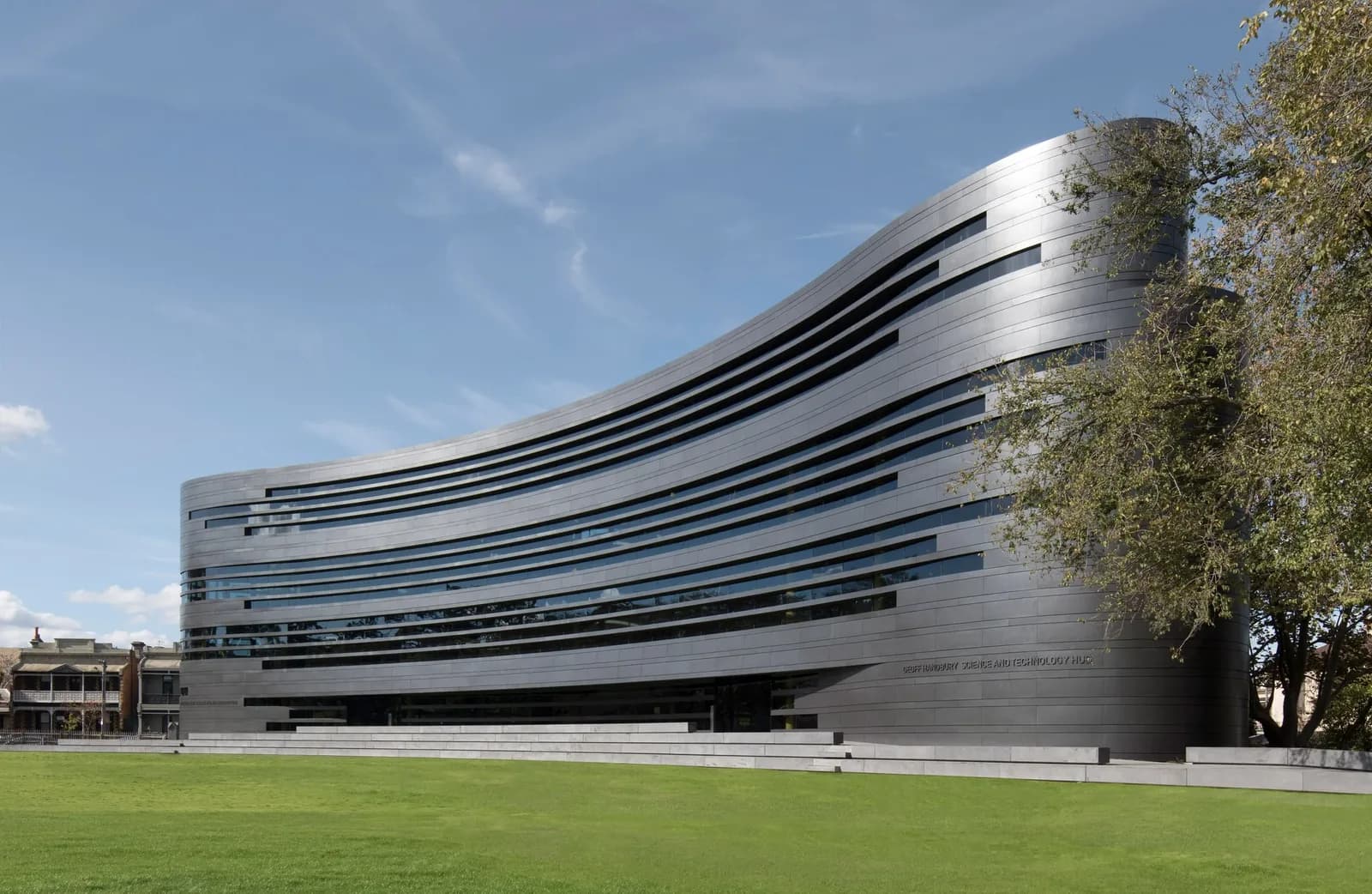
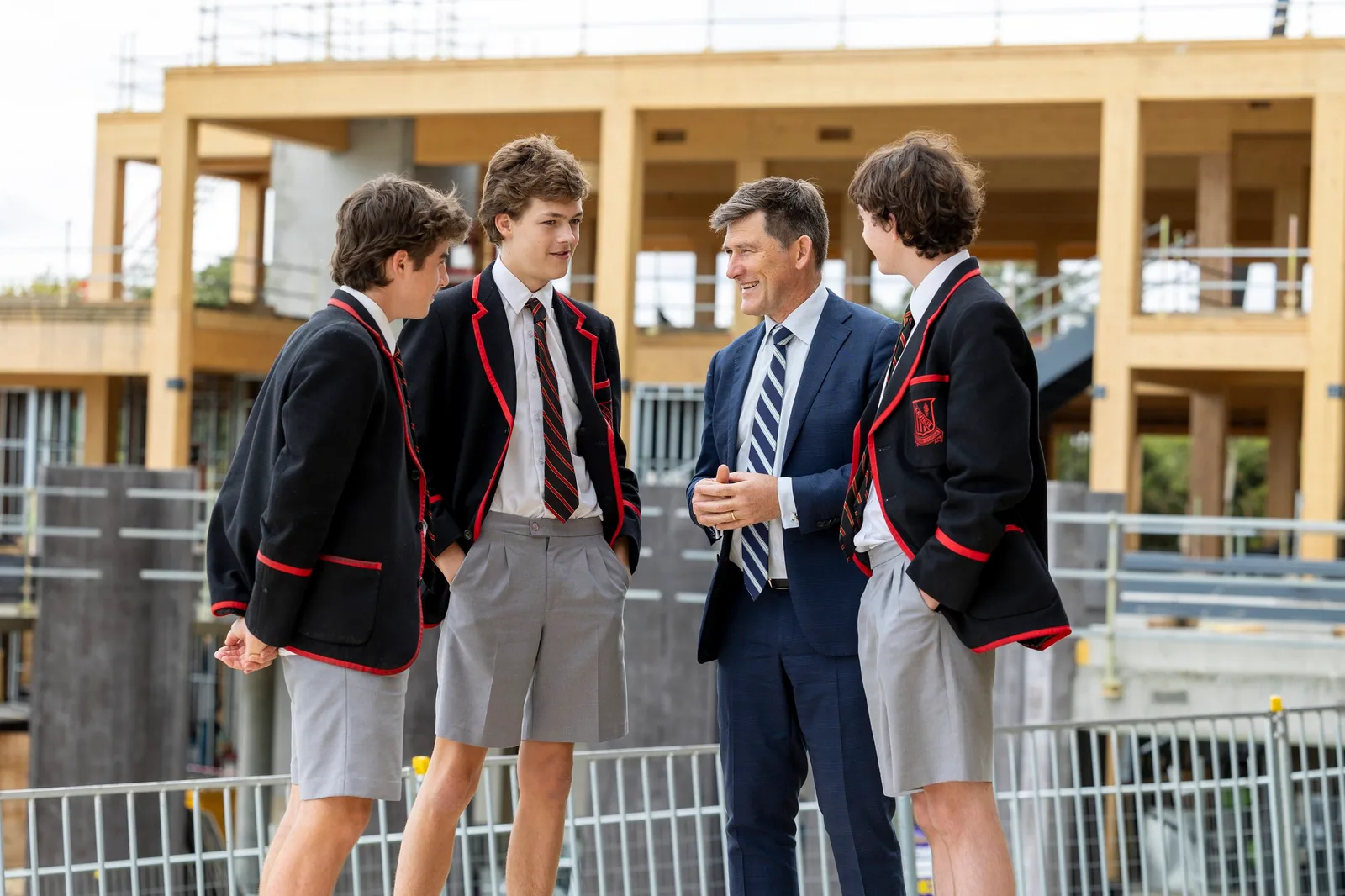
Image: Melbourne Grammar School
Rank 1: Scotch College
Scotch College is a non-denominational boys' school in Hawthorn, Victoria. It ranks 1st among private boys schools in Victoria and sits in the Elite tier. It is a Large school by enrolment, teaching Prep to Year 12. Its strongest building block is Student Wellbeing, scoring 95%, reaching Elite tier. It is also Elite for Academic Excellence, Learning Opportunities, Learning Environment and Institutional Excellence. View full profile.
Rank 2: Melbourne Grammar School
Melbourne Grammar School is a Anglican boys' school in Melbourne, Victoria. It ranks 2nd among private boys schools in Victoria and sits in the Elite tier. It is a Large school by enrolment, teaching Prep to Year 12. Its strongest building block is Academic Excellence, scoring 98%, reaching Elite tier. It is also Elite for Learning Opportunities and Learning Environment. View full profile.
Rank 3: Camberwell Grammar School
Camberwell Grammar School is a boys' school in Canterbury, Victoria. It ranks 3rd among private boys schools in Victoria and sits in the Elite tier. It is a Mid-Sized school by enrolment, teaching Prep to Year 12. Its strongest building block is Institutional Excellence, scoring 95%, reaching Elite tier. It is also Elite for Academic Excellence, Learning Opportunities and Learning Environment. View full profile.
Rank 4: Brighton Grammar School
Brighton Grammar School is a Anglican boys' school in Brighton, Victoria. It ranks 4th among private boys schools in Victoria and sits in the Elite tier. It is a Large school by enrolment, teaching Prep to Year 12. Its strongest building block is Learning Environment, scoring 97%, reaching Elite tier. It is also Elite for Student Wellbeing, Learning Opportunities and Institutional Excellence. View full profile.
Rank 5: Xavier College
Xavier College is a Catholic boys' school in Kew, Victoria. It ranks 5th among private boys schools in Victoria and sits in the Elite tier. It is a Large school by enrolment, teaching Prep to Year 12. Its strongest building block is Learning Opportunities, scoring 92%, reaching Elite tier. It is also Elite for Student Wellbeing, Learning Environment and Institutional Excellence. View full profile.
Rank 6: Trinity Grammar School
Trinity Grammar School is a Anglican boys' school in Kew, Victoria. It ranks 6th among private boys schools in Victoria and sits in the Elite tier. It is a Large school by enrolment, teaching Prep to Year 12. Its strongest building block is Academic Excellence, scoring 93%, reaching Elite tier. It is also Elite for Learning Opportunities and Learning Environment. View full profile.
Rank 7: St Patrick's College
St Patrick's College is a Catholic boys' school in Ballarat, Victoria. It ranks 7th among private boys schools in Victoria and sits in the Leading tier. It is a Mid-Sized school by enrolment, teaching Year 7 to Year 12. Its strongest building block is Learning Opportunities, scoring 85%. View full profile.
Rank 8: St Kevin's College
St Kevin's College is a Catholic boys' school in Toorak, Victoria. It ranks 8th among private boys schools in Victoria and sits in the Leading tier. It is a Mega school by enrolment, teaching Prep to Year 12. Its strongest building block is Academic Excellence, scoring 87%. View full profile.
Rank 9: Mazenod College
Mazenod College is a Catholic boys' school in Mulgrave, Victoria. It ranks 9th among private boys schools in Victoria and sits in the Leading tier. It is a Large school by enrolment, teaching Year 7 to Year 12. Its strongest building block is Academic Excellence, scoring 77%. View full profile.
Rank 10: De La Salle College
De La Salle College is a Catholic boys' school in Malvern, Victoria. It ranks 10th among private boys schools in Victoria and sits in the Trusted tier. It is a Mid-Sized school by enrolment, teaching Year 5 to Year 12. Its strongest building block is Student Wellbeing, scoring 78%. View full profile.
Other private boys schools in Victoria (9)
| School | Suburb | Gender | Affiliation | S360 score | Compare |
|---|---|---|---|---|---|
 Simonds Catholic College Simonds Catholic College | West Melbourne | Boys | Catholic | 70.9% | |
 Parade College Parade College | Bundoora | Boys | Catholic | 68.3% | |
 Salesian College Chadstone Salesian College Chadstone | Chadstone | Boys | Catholic | 67.5% | |
 Yeshivah College Yeshivah College | St Kilda East | Boys | Jewish | 66.5% | |
 Marcellin College Marcellin College | Bulleen | Boys | Catholic | 65.3% | |
 St Bernard's College St Bernard's College | Essendon | Boys | Catholic | 63.9% | |
 St Bede's College St Bede's College | Mentone | Boys | Catholic | 62.5% | |
 St Joseph's College Ferntree Gully St Joseph's College Ferntree Gully | Ferntree Gully | Boys | Catholic | 61.2% | |
 St Joseph's College Geelong St Joseph's College Geelong | Newtown | Boys | Catholic | 61.2% |
- Best private boys schools in Victoria
- School
- Simonds Catholic College
- Suburb
- West Melbourne
- Gender
- Boys
- Affiliation
- Catholic
- S360 score
- 70.9%
- Compare
- School
- Parade College
- Suburb
- Bundoora
- Gender
- Boys
- Affiliation
- Catholic
- S360 score
- 68.3%
- Compare
- Suburb
- Chadstone
- Gender
- Boys
- Affiliation
- Catholic
- S360 score
- 67.5%
- Compare
- School
- Yeshivah College
- Suburb
- St Kilda East
- Gender
- Boys
- Affiliation
- Jewish
- S360 score
- 66.5%
- Compare
- School
- Marcellin College
- Suburb
- Bulleen
- Gender
- Boys
- Affiliation
- Catholic
- S360 score
- 65.3%
- Compare
- School
- St Bernard's College
- Suburb
- Essendon
- Gender
- Boys
- Affiliation
- Catholic
- S360 score
- 63.9%
- Compare
- School
- St Bede's College
- Suburb
- Mentone
- Gender
- Boys
- Affiliation
- Catholic
- S360 score
- 62.5%
- Compare
- Suburb
- Ferntree Gully
- Gender
- Boys
- Affiliation
- Catholic
- S360 score
- 61.2%
- Compare
- Suburb
- Newtown
- Gender
- Boys
- Affiliation
- Catholic
- S360 score
- 61.2%
- Compare
Every Schools360 ranking uses the same independent, five-block assessment — explore how it plays out across other cohorts.
All Victoria rankings
- Best private schools in Victoria
- Best private girls schools in Victoria
- Best private co-ed schools in Victoria
- Best Catholic schools in Victoria
- Best Catholic boys schools in Victoria
- Best Catholic girls schools in Victoria
- Best Catholic co-ed schools in Victoria
- Best private independent schools in Victoria
- Best private regional schools in Victoria
- Best private boarding schools in Victoria
- Best private boys schools in Australia
- Best private boarding schools in Australia
Senior results
Schools360's assessment covers far more than examination outcomes. For published VCE and ATAR results school by school, see VCE results for Victoria.
More rankings
Best private girls schools in Victoria
See the full ranking
Best private co-ed schools in Victoria
See the full ranking
Best Catholic schools in Victoria
See the full ranking
Best Catholic boys schools in Victoria
See the full ranking
Best Catholic girls schools in Victoria
See the full ranking
Best Catholic co-ed schools in Victoria
See the full ranking
Common questions
How many schools are included in this ranking?
19 private boys schools in Victoria clear the minimum size for a published ranking. The top 10 are shown by position; the rest are listed under "Other private boys schools in Victoria", ordered by score but without an individual rank.
Why do only the top 10 schools get a numbered position?
Numbered positions reflect how confident Schools360 is in fine score differences near the top of private boys schools in Victoria. Every school assessed still appears on the page: those beyond position 10 are listed under "Other private boys schools in Victoria", ordered by score, without an individual rank attached.
What do the tiers mean?
Every school is placed in one of five tiers based on its Schools360 score: Elite, Distinguished, Leading, Trusted, Highly Capable. Every tier name is a positive outcome; there is no failing grade on Schools360. See the methodology page for the full tier thresholds.
How is the Schools360 score calculated?
Each school is scored across five building blocks, each made up of three factors scored out of 20. The building blocks are weighted and combined into a single percentage. See the methodology page for the full weighting and data sources.
When does this ranking next update?
This is the 2026 edition. Once published, a ranking is frozen: a later score correction updates the school's own profile immediately, but the ranking order itself only changes at the next edition.