
How to Choose a Private School in Australia
Published by Schools360 | November 2026
Choosing a school is one of the biggest decisions you will make for your child. With so many options, rankings and competing claims, it can be hard to know which school is right. This guide sets out five practical steps to a confident, well-informed choice.
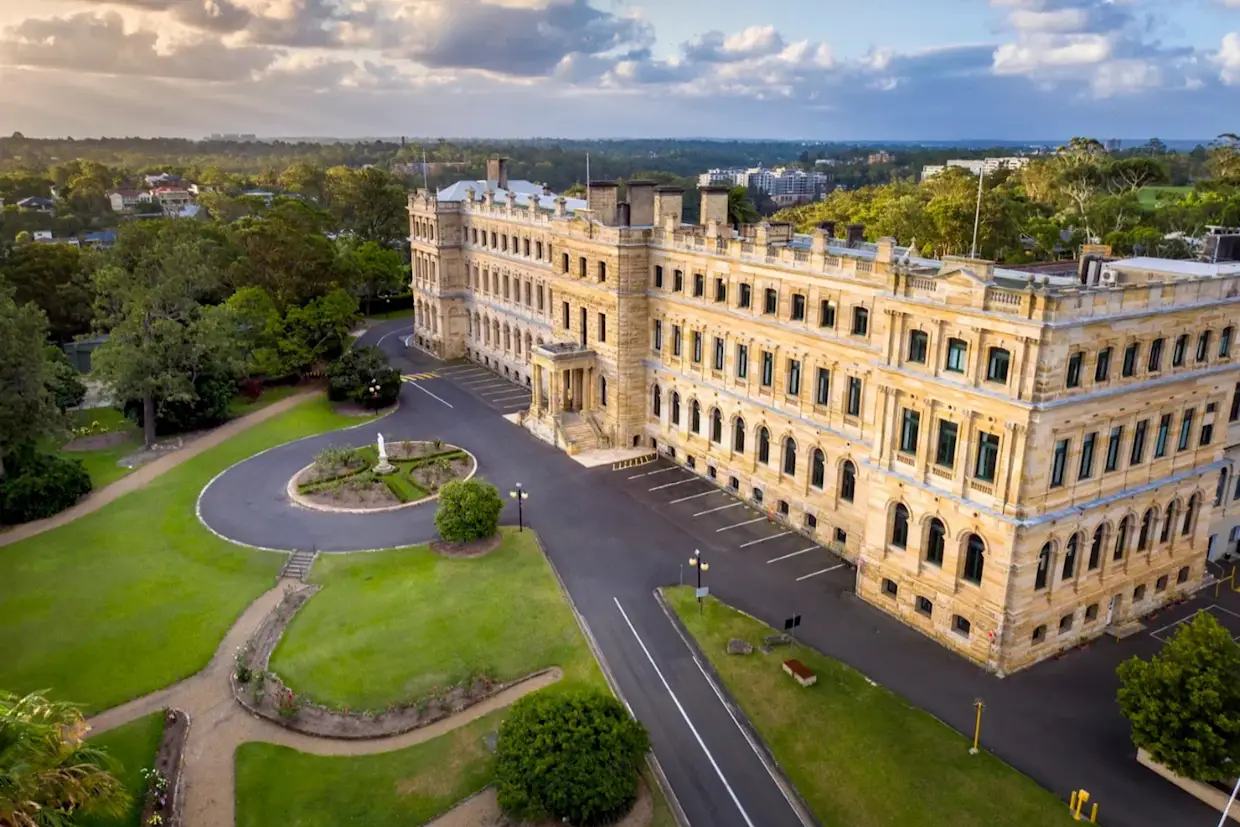
The best school may not be the right school
Imagine you are comparing three private schools.
One consistently achieves outstanding academic results. Another has an exceptional reputation for student wellbeing and individual support. A third offers remarkable opportunities in sport, music and the arts. All three are highly regarded, with impressive campuses and compelling prospectuses.
Which is the best school? The answer depends on your child.
Choosing a school means finding an environment where your child can learn, build confidence, discover their interests and thrive. Ranking position and reputation are part of that picture, and only part. For many Australian families the decision is also one of their largest financial commitments, so getting it right matters.
Comparing schools is harder than it looks. Academic results are easy to find. Teaching quality, pastoral care, co-curricular opportunities and school leadership are harder to see and harder still to compare. The five steps below give you a structure for doing it.
Step 1. Start with your child, then look at rankings
Every child is different, and the school that brings out the best in one student may not suit another. Some children thrive in academically competitive settings. Others do better with a more nurturing approach, a smaller community or more room for creative interests.
Start by working out what your child needs to flourish:
- Academic needs: Does your child benefit from extension, individual attention or additional learning support?
- Interests and talents: Are sport, music, performing arts, technology or other activities particularly important?
- Personality and wellbeing: Would your child thrive in a large, highly structured school, or a smaller, more personal one?
- Values and culture: What kind of community and educational philosophy fits your family's values?
- Individual circumstances: Are there learning, accessibility, social or emotional needs the school must accommodate?
Involve your child, particularly as they approach secondary school. Ask what excites them about a new school, what worries them and what they hope it will offer. Their answers often change the shortlist.
A simple exercise: name your top three priorities. Before you look at any ranking, write down the three things that matter most to your family. It might be academic excellence, a strong sense of belonging and opportunities in music. It might be student support, sport and a manageable daily commute. These priorities become your test for every school you consider.
Practical considerations narrow the field quickly. Check fees, location, transport, entry requirements and enrolment availability early. Look at the total cost of attendance, including uniforms, technology, excursions and co-curricular activities, rather than tuition alone.
Treat some requirements as non-negotiable. Essential learning support, accessibility and affordability should not be traded against strengths elsewhere.
Ready to start exploring? Once you know your priorities, look for schools that meet them.
Find private schools near you on Schools360
Search by school name, suburb or postcode to find schools in your area and start your shortlist.
Step 2. Look beyond academic results: the five building blocks of a great school
Academic performance matters, and it is one part of what makes a school strong. One school may achieve outstanding examination results with a narrower co-curricular program. Another may combine strong academics with exceptional pastoral care, innovative teaching and a lively school community.
To compare those different strengths, Schools360 assesses every school against the same framework: five building blocks, 15 factors and 60 scoring elements. The framework draws on a broad base of evidence, from NAPLAN and senior secondary results to wellbeing programs, curriculum, teaching environments and school governance. Its purpose is to show parents the whole school.
How the five building blocks are weighted. Academic Excellence carries the most weight in the Schools360 score, at 27.5%. The other four building blocks together carry 72.5%.
Share of each school's overall S360 score. Each building block is scored out of 60 across three factors. Source: Schools360 ranking methodology.
Each building block answers one question parents ask.
Building block 1: Academic Excellence
How well does the school perform academically?
Strong results can signal high expectations and an environment that supports learning. Academic excellence also covers more than final-year scores. Schools360 assesses three factors:
- Academic Performance Years 7 to 10: NAPLAN results across the middle years.
- Academic Performance Years 11 and 12: Median ATAR and VCE, HSC or equivalent results.
- University Outcomes and Pathways: Progression to university, postgraduate study and alumni outcomes.
The distinction that matters is between what a school achieves overall and what it can help your child achieve. A highly selective school's results partly reflect the students it admits. A school with more modest results may offer excellent individual learning support. Look at performance over several years, the breadth of academic options and how the school supports students of different abilities.
What to ask: Will this school challenge, support and inspire my child to reach their academic potential?
Building block 2: Student Wellbeing
How well will the school look after my child's wellbeing and individual needs?
A child's experience of school is shaped by more than the classroom. Feeling safe, supported and connected affects confidence, motivation and willingness to take part. Schools360 assesses:
- Student Wellbeing: Physical, mental and emotional health, anti-bullying and diversity.
- Student Support: Learning assistance, mentoring, pastoral care and inclusive education.
- Personal Development: Leadership, career readiness, independence, social justice and outdoor education.
Most schools describe a commitment to wellbeing. The useful question is how that commitment shows up day to day. Does the school have clear pastoral care structures? How does it identify and help students who are struggling? Are there opportunities to build friendships, confidence and a sense of belonging?
Academic achievement counts for less if a child does not feel happy, supported or included.
What to ask: Will my child be known, valued and supported as an individual?
Building block 3: Learning Opportunities
Does the school offer opportunities for my child to discover and develop their interests?
Some of the most valuable learning happens outside the core subjects. The school orchestra, debating team, robotics club, theatre production or sports team may be where your child finds a lifelong interest. Schools360 assesses three factors:
- Curriculum: The range and quality of subjects, including specialist subjects and STEM.
- Sports: Sporting opportunities, facilities, swimming programs and achievements.
- Arts, Music and Culture: Quality and achievement in visual arts, music and drama.
Breadth matters, and so does access. An elite sports program is impressive; does the school also welcome students who simply enjoy playing? Does a strong music department make room for beginners as well as accomplished performers? Look for a mix of established strengths and real opportunities to try something new.
What to ask: What could my child discover or achieve here that they might not find elsewhere?
Building block 4: Learning Environment
Does the school provide an environment where my child can realise their full potential?
Modern classrooms, science laboratories and sports facilities make a strong first impression. What counts is how well the school's people, resources and teaching practices support learning. Schools360 assesses:
- Teaching Quality and Staff: Teacher qualifications, student to teacher ratios, staff satisfaction and teaching methods.
- Facilities, Learning Spaces and Environment: Campus quality, library, modern learning spaces and green space.
- Technology and Innovation: Technology integration, device access, innovative tools and digital literacy.
Look at how these elements work together. How often do students use the new science centre? How does the laptop program change teaching and learning? A beautiful campus matters less if students do not receive high-quality teaching and individual attention.
What to ask: Does this school have the teachers, resources and environment to bring out the best in my child?
Building block 5: Institutional Excellence
How well is the school run?
Parents naturally focus on what their children will experience. The institution behind that experience matters too: leadership, governance, reputation and long-term direction all shape a school's ability to deliver consistently. Schools360 assesses:
- School Governance: Vision, strategy, transparency, communication and parent involvement.
- Reputation, Prestige and Alumni Connections: History, recognition, community engagement and alumni networks.
- Sustainability: The school's commitment, strategy, reporting and practice on environmental sustainability.
A reputation built over generations tells you about a school's history; current performance needs its own evidence. Look at how the school communicates its priorities, responds to challenges, works with parents and plans for the future. Good leadership is less visible than examination results or new buildings, and it underpins both.
What to ask: Is this a well-led institution I can trust with my child's education?
See how schools perform across all five building blocks. Every Schools360 profile shows the school's score in each building block and each of its 15 factors, with the national median marked for reference.
Explore independent school assessments on Schools360
Look past the overall ranking to see where each school is strongest.
Step 3. Compare schools on what matters most to your child
With the five building blocks in mind, you can compare schools more precisely. The most common mistake at this stage is to rely on a single ranking or headline result.
Rankings are a useful starting point. They identify schools that perform strongly against a consistent set of criteria. An overall score cannot tell you how well a school will suit your child.
Consider two hypothetical schools. School A is particularly strong in Academic Excellence, with outstanding senior results and university pathways, a structured environment and a strong academic culture. School B also achieves strong academic results and stands out for Student Wellbeing and Learning Opportunities, particularly its performing arts and individual support programs.
For a highly motivated student who wants a rigorous, competitive environment, School A may be the better fit. For a student who loves performing arts and would benefit from a strong focus on individual development, School B may suit better. Neither is the better school for every child.
Use rankings to inform your decision. Schools360's overall score applies the same weightings to every school, with Academic Excellence weighted most heavily at 27.5%. That makes the score a fair benchmark across schools.
Your family's priorities may weigh things differently. If wellbeing is especially important for your child, look closely at the Student Wellbeing building block and its three factors. If your child is passionate about music, look at Learning Opportunities, and at Arts, Music and Culture in particular. A strength in one area should not automatically offset a serious concern in another.
The aim is to understand how schools differ and decide which of those differences matter to your family.
Try this: compare three schools. Choose three schools from your shortlist. Look at each overall Schools360 assessment, then at how each performs across the five building blocks. Ask yourself:
- Where does each school stand out?
- Which strengths match our priorities most closely?
- Where do we need more information?
- Which schools deserve a closer look?
A school that was not at the top of your list may offer the strongest combination for your child.
Search and compare schools side by side
Tick Compare beside any schools in the Schools360 directory to see their building block and factor scores side by side.
Step 4. Visit your shortlisted schools and look beyond the prospectus
Independent research identifies promising schools. A visit shows you the culture, the people and how the school's educational philosophy works in practice.
Once your list is manageable, book tours or attend open days. Where you can, visit on a normal school day and bring your child.
Watch how students and teachers interact. Do students seem comfortable asking questions? How do staff describe their approach to different learners? Can they give specific examples of how the school delivers on its commitments?
Use the five building blocks to guide your conversations.
Five questions to ask on a school tour
- Academic Excellence: How do you challenge high-performing students while supporting those who need extra help?
- Student Wellbeing: How do you identify when a student is struggling, and what happens next?
- Learning Opportunities: What can students try for the first time, beyond activities they already excel in?
- Learning Environment: How do teachers use the school's facilities and technology to improve learning?
- Institutional Excellence: What are the school's main priorities for improvement over the next three to five years?
Listen for specific examples. General assurances tell you little.
For any essential learning, accessibility or wellbeing need, ask how support would work for your child in practice, and confirm arrangements directly with the school.
Watch your child's reaction too. Do they seem curious and engaged? Can they picture themselves there? What did they like, and what made them uneasy?
An open day is a carefully organised introduction to a school and shows only part of daily life. Use the visit to test and deepen what your research has told you.
Step 5. Bring it together and decide with confidence
By now you have considered your child's needs, assessed schools across five building blocks, compared their strengths and seen your shortlist firsthand. The last step is to weigh it all together through four lenses:
- Educational quality: How strongly does the school perform across the Schools360 building blocks?
- Individual fit: Do its strengths match your child's personality, interests, abilities and needs?
- Practical fit: Is the school realistic for your family on fees, location, transport and enrolment requirements?
- Personal experience: Have your conversations and visits strengthened your confidence in the school?
No school is perfect, and every choice involves trade-offs. One school may offer stronger academic results, another broader co-curricular opportunities, another a more supportive environment. Understand those differences and choose deliberately, rather than relying on reputation, rankings or other people's recommendations alone.
You cannot predict every part of your child's future. Children grow, interests change and needs evolve. Look for a school with the quality, breadth and support to help your child through those changes.
The right school is the one where your child can thrive
Choosing a school need not be overwhelming. Start with your child's needs, look beyond academic results and compare schools on a consistent set of criteria, and the decision becomes clearer and better informed.
Schools360 was built for that purpose. Its independent assessments cover Australian private schools across five building blocks, 15 factors and 60 scoring elements, so parents can see each school as a whole.
The question worth answering is which school gives your child the best opportunity to thrive.
Find the right school for your child
Whether you are starting your search or choosing between finalists, Schools360 can help you make a more informed decision.
Explore and compare Australian private schools on Schools360
Search schools, explore independent assessments and find the strengths that matter most to your family.
About Schools360. Schools360 is an independent school information and assessment platform. Its rankings apply a consistent methodology to publicly available evidence across five building blocks. School-provided information is presented separately, and school subscriptions do not influence scores or rankings. Assessments are designed to support informed decisions and should be read alongside school visits, direct enquiries and your family's circumstances.